Shopping in Egypt is far more than a simple exchange of money for goods — it’s a journey through color, scent, craftsmanship, and conversation. Every marketplace, or souk, tells a story about Egypt’s history, artistry, and enduring love for handmade beauty. From Cairo’s centuries-old Khan El Khalili Bazaar to the sunlit markets of Aswan, shopping here is an experience that awakens all the senses. Whether you’re drawn to glittering gold jewelry, aromatic spices, papyrus art, or handwoven carpets, Egypt offers treasures that carry a piece of its soul home with you.
Khan El Khalili: Cairo’s Timeless Bazaar
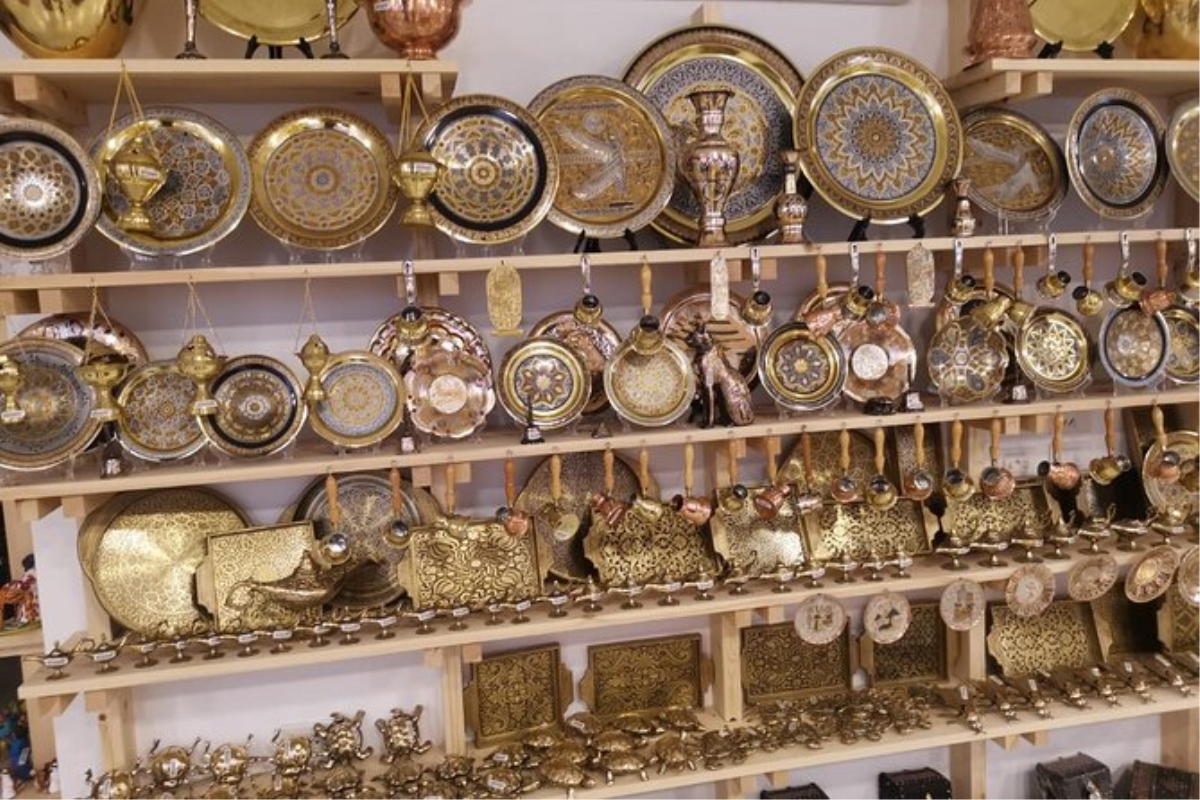
No shopping adventure in Egypt is complete without a visit to Khan El Khalili, the legendary bazaar in the heart of Islamic Cairo. Established in the 14th century, this labyrinth of narrow alleys and arched passageways has been the center of trade and craftsmanship for over 600 years. As you wander through its winding lanes, the air fills with the scent of incense, roasted coffee, and polished brass.
Every corner reveals something new — shops piled high with colorful lanterns, hand-hammered silver, and intricate jewelry. The sound of craftsmen at work echoes through the air as artisans engrave copper plates or shape leather goods using age-old techniques. Bargaining here is part of the fun; it’s a lively dance of smiles, humor, and negotiation. For an authentic experience, pause for tea at El Fishawy Café, one of Cairo’s oldest coffeehouses, where poets and travelers have gathered for generations to sip mint tea and watch the world pass by.
Aswan Markets: Nubian Colors and Warm Smiles
Further south, in the laid-back city of Aswan, the markets reflect the unique character of Nubian culture. The Aswan Souk is famous for its bright colors, relaxed atmosphere, and friendly vendors who welcome visitors with warm smiles. Here, you’ll find handwoven scarves, beaded jewelry, basketry, and hand-painted pottery inspired by Nubian traditions.
Spices are the soul of Aswan’s market. The stalls overflow with mounds of cinnamon, cardamom, hibiscus flowers, and saffron, creating a rainbow of fragrance. The aroma alone is intoxicating — a reminder that Egypt’s trade in spices has been thriving since the days of the pharaohs. Vendors will often invite you to sample herbal teas or explain the uses of exotic ingredients, turning every purchase into a cultural exchange.
Luxor and the Art of Papyrus
In Luxor, home to the ancient city of Thebes, shopping takes on a historical dimension. Visitors can witness how papyrus, the world’s first paper, is still made by hand using techniques passed down for millennia. Papyrus workshops demonstrate the delicate process of soaking, pressing, and drying the reed before artists paint it with vibrant scenes from Egyptian mythology — from the voyage of Ra across the sky to the scales of judgment in the afterlife.
A piece of papyrus art is more than a souvenir; it’s a connection to the civilization that first recorded history. To ensure authenticity, it’s best to buy from recognized galleries where you can see the creation process in person, avoiding cheaper imitations made from banana leaves.
The Perfume Palaces of Egypt
Egypt’s ancient fascination with scent is still alive today. Throughout Cairo and Luxor, you’ll encounter perfume shops that sell exquisite blends of natural oils — jasmine, lotus, sandalwood, and frankincense among them. Many of these shops trace their lineage back to families who’ve been distilling essences for generations.
Visitors are often invited into elegant rooms where crystal bottles gleam under soft light. The shopkeepers demonstrate how to mix custom fragrances, offering scents said to have been worn by Cleopatra herself. These oils are alcohol-free and long-lasting, often beautifully packaged in hand-blown glass bottles that make for elegant keepsakes.
Handicrafts, Carpets, and Alabaster Art
Beyond the major cities, Egypt’s villages and oases are havens for traditional craftsmanship. In Aswan and Kom Ombo, artisans carve alabaster into delicate vases and statues, using simple hand tools as their ancestors did. In Upper Egypt, workshops produce kilim rugs and tapestries, woven on wooden looms in geometric patterns that reflect ancient motifs.
Travelers seeking something truly unique can visit cooperative workshops, where purchases directly support local communities and help preserve traditional skills. The craftsmanship is extraordinary — each piece a one-of-a-kind work of art that embodies patience, pride, and precision.
Modern Malls and Designer Boutiques
While Egypt’s historic markets capture the imagination, modern shoppers will also find stylish malls and designer boutiques in cities like Cairo and Alexandria. The Mall of Egypt and Cairo Festival City feature international brands, artisanal home décor, and contemporary Egyptian designers blending ancient inspiration with modern elegance.
 admin
October 31, 2025
admin
October 31, 2025