Egyptian cuisine is a tapestry of flavors woven from centuries of history, trade, and cultural exchange. Every meal tells a story of the Nile’s abundance, the spice routes that passed through its deserts, and the Mediterranean influences that shaped its coasts. To taste Egypt is to experience its people—warm, generous, and full of life.
The Heart of Egyptian Home Cooking
At the center of Egyptian dining is koshary, the national dish and an absolute must-try. A hearty mix of lentils, rice, pasta, chickpeas, and crispy onions topped with spicy tomato sauce, koshary embodies Egyptian comfort food. Served in bustling Cairo eateries and humble roadside stalls alike, it’s affordable, filling, and completely satisfying.
Another traditional favorite is molokhia, a green, garlicky soup made from finely chopped jute leaves. Served with rice or bread, it has a distinctive texture and an earthy flavor that Egyptians adore. It’s often paired with chicken or rabbit and is believed to bring good luck.
From Street Snacks to Royal Feasts
Egypt’s street food culture is legendary. Vendors sell taameya (Egyptian falafel made from fava beans instead of chickpeas), ful medames (slow-cooked fava beans with olive oil and lemon), and hawawshi, a spiced meat sandwich baked inside crispy bread. These everyday bites capture the essence of Egyptian life—simple ingredients, big flavors, and shared joy.
In coastal cities like Alexandria and Port Said, seafood takes center stage. Grilled fish, shrimp, and calamari are seasoned with cumin, coriander, and lemon, reflecting the country’s maritime heritage. Fishermen’s markets transform into lively open-air restaurants where diners pick their catch of the day and watch it grilled to perfection.
The Art of Celebration and Sharing
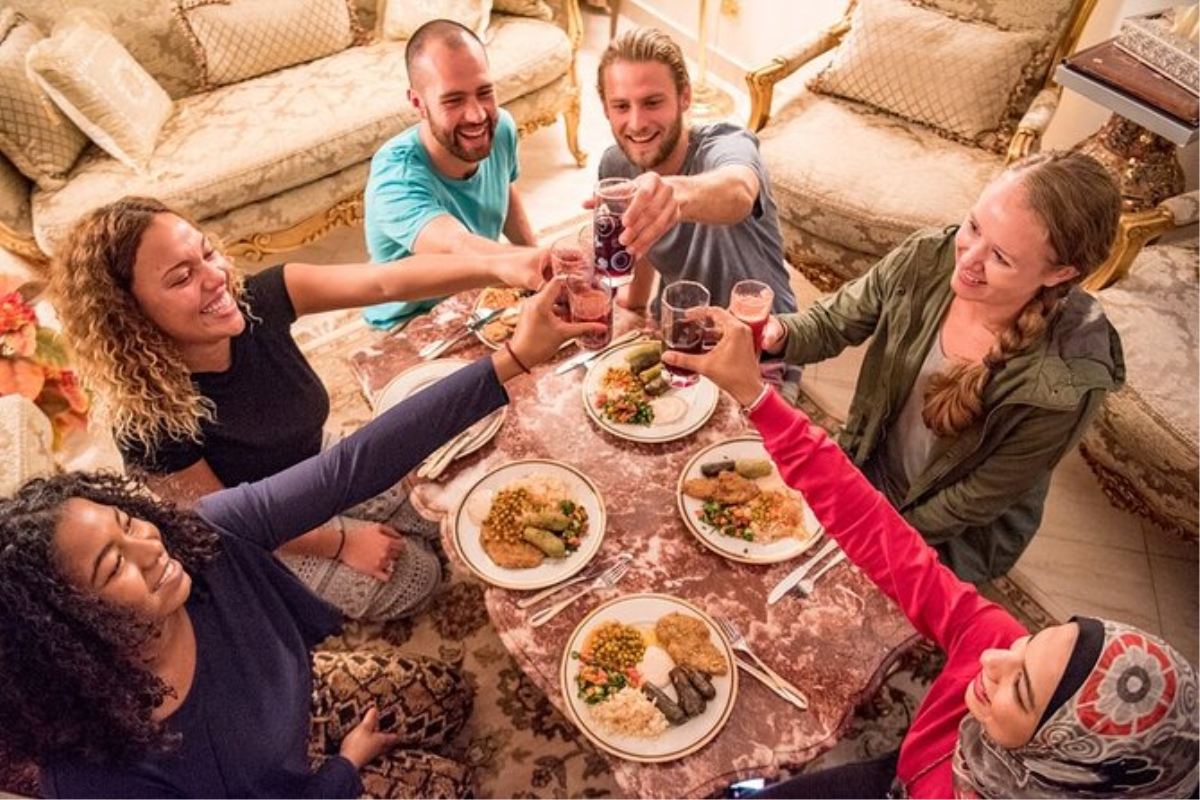
Egyptian meals are communal events—family and friends gather around large platters, sharing food and laughter. Stuffed vegetables like vine leaves, zucchini, and peppers (known as mahshi) are staples of festive tables. Equally popular is hamam mahshi, tender pigeon filled with spiced rice and grilled until golden, a delicacy often served at weddings or special occasions.
Bread, or aish, holds almost sacred status. The name itself means “life.” The traditional baladi bread, baked in clay ovens, accompanies nearly every dish. Fresh, warm, and slightly smoky, it’s perfect for scooping up dips like baba ghanoush, tahini, and dukkah.
Sweets and Fragrant Finishes
No Egyptian meal ends without dessert. Basbousa, a semolina cake soaked in syrup, kunafa, crisp pastry threads layered with cream or cheese, and om ali, a rich bread pudding sprinkled with nuts and raisins, are national favorites. During Ramadan, sweet treats take on special meaning, symbolizing generosity and joy.
To accompany dessert, Egyptians love black tea infused with mint or karkadeh, a deep-red hibiscus drink served hot or cold. Strong Turkish-style coffee and fresh sugarcane juice are also popular daily indulgences.
Culinary Traditions Meet Modern Innovation
Modern Egyptian chefs are reimagining classic dishes with global flair. In Cairo and Alexandria, trendy restaurants offer gourmet versions of street favorites—think deconstructed koshary or seafood molokhia. At the same time, rural families preserve recipes passed down for generations, ensuring that Egypt’s culinary heritage remains alive and evolving.
The Taste of Egypt
From sizzling street stalls to elegant seaside dining, Egyptian cuisine invites travelers to experience the country with all their senses. Every flavor—spicy, sweet, or savory—reflects the diversity of its history and the warmth of its people. To eat in Egypt is not merely to satisfy hunger; it’s to join a living tradition that has nourished one of the world’s oldest civilizations.

 admin
October 31, 2025
admin
October 31, 2025