Egypt is often called the cradle of civilization, and nowhere else on Earth can you feel the weight and wonder of history so vividly. The country’s ancient monuments are not just relics of a glorious past; they are living testaments to human ambition, faith, and artistic genius. Rising from the golden sands, these timeless structures whisper stories of kings, gods, and dreamers who shaped one of the world’s greatest civilizations. From the Great Pyramids of Giza to the colossal temples of Abu Simbel, Egypt’s ancient wonders stand as an eternal dialogue between humanity and eternity.
The Great Pyramids of Giza: Eternal Icons of Human Achievement
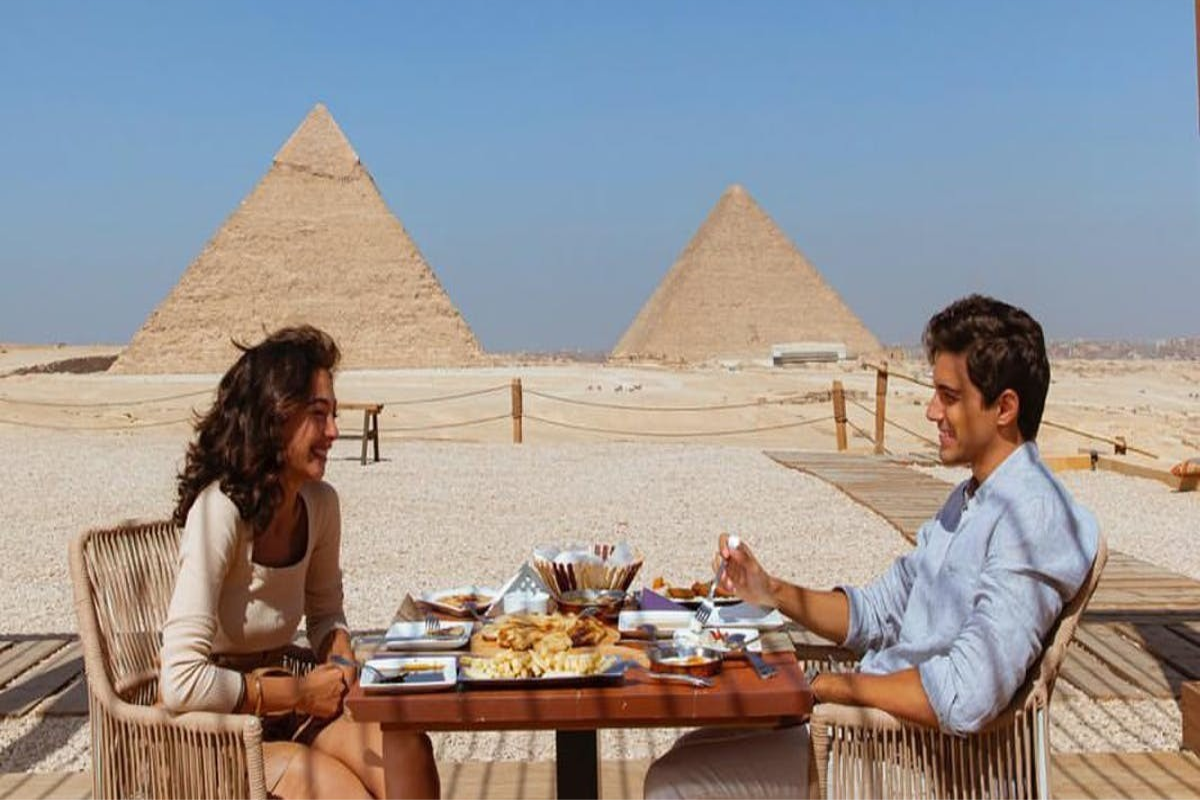
No image is more synonymous with Egypt than the Great Pyramids of Giza. Standing just outside modern-day Cairo, these monumental tombs have inspired awe for over 4,500 years. Built during the Fourth Dynasty, they served as eternal resting places for Pharaohs Khufu, Khafre, and Menkaure, who believed their souls would ascend to the afterlife through these massive structures.
The Great Pyramid of Khufu, the largest of the three, was once sheathed in polished white limestone that glistened in the desert sun — a celestial stairway to the heavens. Even today, its mathematical precision remains an architectural mystery. How, with only copper tools and manual labor, did the ancient Egyptians align such enormous blocks so perfectly with the stars? Historians and engineers continue to debate, but one truth remains: the pyramids embody an extraordinary blend of science, spirituality, and sheer will.
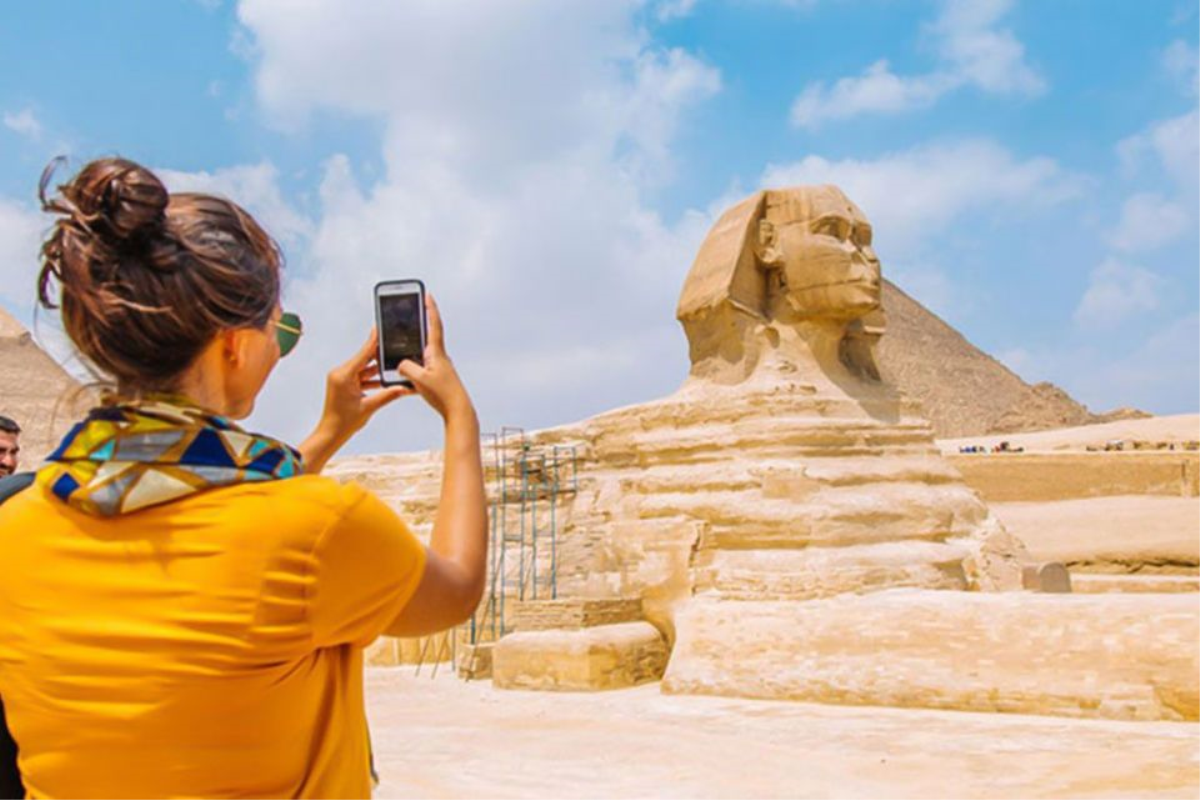
At the foot of the plateau lies the Great Sphinx, a monumental guardian carved from a single block of limestone. With the body of a lion and the face of a pharaoh — most likely Khafre — the Sphinx gazes eastward as if watching over the sunrise and the rebirth of life each day. Its enigmatic expression, eroded by wind and time, continues to captivate travelers and scholars alike. To stand before the Sphinx at dawn, when the light softens its ancient contours, is to experience a moment of pure, timeless wonder.
Luxor: The World’s Greatest Open-Air Museum
Travel south along the Nile, and you arrive at Luxor, ancient Thebes — a city that once served as the beating heart of Egypt’s empire. Luxor is often described as the world’s largest open-air museum, and rightfully so. The city and its surrounding landscape hold an unparalleled concentration of ancient monuments, temples, and tombs that reveal the grandeur and sophistication of the New Kingdom.
On the east bank of the Nile stands the Karnak Temple Complex, one of the largest religious structures ever built. Dedicated primarily to Amun-Ra, the sun god, Karnak grew over 1,300 years as successive pharaohs added columns, statues, and obelisks. Walking through its Great Hypostyle Hall, with 134 towering columns soaring 20 meters high, is a humbling experience — sunlight filters through the stone canopy, illuminating hieroglyphs that still glow with faded color. Nearby, the Luxor Temple, connected to Karnak by an ancient avenue of sphinxes, comes alive at night. Lit by golden floodlights, it’s a magnificent reminder of Egypt’s spiritual devotion and artistic mastery.
Across the river, the west bank marks the land of the dead — a place where kings prepared for eternity. The Valley of the Kings, hidden amid rugged cliffs, holds more than 60 royal tombs, each decorated with scenes from the Book of the Dead and intricate carvings meant to guide the pharaohs through the afterlife. The most famous discovery, Tutankhamun’s tomb, unearthed by archaeologist Howard Carter in 1922, revealed treasures that stunned the world — golden masks, chariots, and jewelry untouched for over 3,000 years. Visiting the valley today feels like stepping into another world, where the silence of the desert amplifies the whispers of history.
Abu Simbel: The Monumental Legacy of Ramses the Great
Continue even farther south, and you reach Abu Simbel, one of the most breathtaking sights in all of Egypt. Built by Pharaoh Ramses II, often called Ramses the Great, this temple complex was designed to immortalize his reign and honor the gods. The façade of the main temple is guarded by four colossal seated statues of Ramses himself, each towering over 20 meters high and gazing proudly across the desert. Inside, intricate reliefs depict the pharaoh’s military victories and divine connection to the gods.
In a remarkable story of preservation, the temples of Abu Simbel were relocated in the 1960s to escape the rising waters of Lake Nasser after the construction of the Aswan High Dam. The entire complex was cut into massive blocks and reassembled on higher ground — a feat of modern engineering that mirrors the determination of the ancients themselves. Twice a year, during the solar alignment in February and October, the sun’s rays pierce the temple’s inner sanctum, illuminating the statues of Ramses and the gods — a phenomenon that continues to astonish visitors and scientists alike.
Walking Through Time
To explore Egypt’s ancient wonders is to journey beyond history into the realm of legend. These monuments are not silent ruins; they are storytellers. The hieroglyphs etched into temple walls still speak of devotion, power, and eternal life. The massive columns and statues are more than stone — they are echoes of a civilization that sought immortality and, in many ways, achieved it.
Standing among them, one realizes that Egypt’s greatness doesn’t lie in its age alone but in its enduring spirit. The same Nile that once carried stones for the pyramids still flows today, linking the ancient and modern worlds. Empires have come and gone, yet the pyramids remain — steadfast, mysterious, and magnificent — symbols of humanity’s timeless quest to touch the divine.

 admin
October 31, 2025
admin
October 31, 2025